Shipping Worldwide | Free UK Delivery

Burka vs Hijab: What are the Main Differences? What is a Niqab?

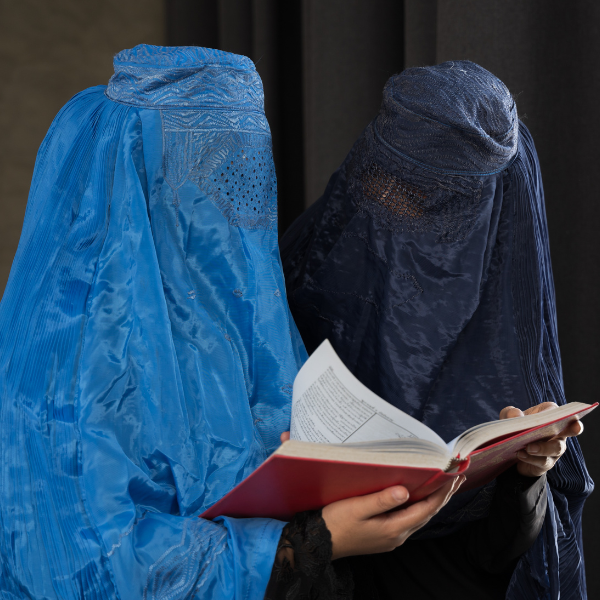
2 women wearing a blue and a black burka

Table of Contents

Niqab, burqa, hijab… These three terms can be quite confusing for people who are unfamiliar with them. Spoiler alert: They are not the same garments at all, even though all three are part of modest Muslim dress and are often used interchangeably (especially the burka and niqab) by the media. The truth is that each of these garments has a specific reason for being worn, whether religious, cultural or regional. In all cases, their goal is the same: to enable Muslim women to cover themselves. But to make it clearer for you and so that you are fully informed on the subject, let’s see what are the key differences between Burka, Hijab and Niqab!

TL;DR

  • What is a Hijab: A hijab is an opaque headscarf that covers the hair, ears and neck.

  • What is a Burka: A burqa is a garment that covers the wearer from head to toe, including the face. A mesh panel is left open to allow the eyes to look through.

  • What is a Niqab: A niqab is a garment worn over the hijab to cover the face except for the eyes.

note: We will provide an image for each of them so that you can visualise them better.

Hijab vs Burka vs Niqab: Comparison Table

CoveringHeadFaceEyesNeck & ShouldersFeetCustomisation
BurkaYES ✅YES ✅YES but with mesh screenYES ✅YES ✅
HijabYES ✅NO ❌NO ❌YES ✅NO ❌⭐⭐⭐⭐
NiqabYES ✅YES ✅NO ❌YES ✅NO ❌⭐⭐

What is a Hijab?

a muslim woman wearing a hijab with sunglasses

The hijab is a non-transparent veil designed to cover the ears, hair, neck and nape of the neck. It is placed on the head and then secured either with a knot, pins or magnets. There are many different ways to secure it, and what is fascinating is that the way it is worn by women varies depending on the country or region. Take Malaysian and Turkish women, for example, who each wear it in very different ways. But in truth, hijab is a general term encompassing all veils used to cover oneself in accordance with Islamic precepts. Etymologically, the term hijab comes from the Arabic ‘حجب’, meaning to cover/hide/conceal. There are therefore several styles of hijab. Let’s take a look at them together.

Hijab

square veil covering the head and neck.

Jilbab

square veil covering the head and neck.

Khimar

Longer than the hijab, it slips on and covers not only the head but also the shoulders and even the chest, depending on its length.

Shayla

A long veil that wraps around the head.

What is a Burka?

2 women wearing a blue and a black burka

The burqa is a long robe covering the wearer from head to toe, including the entire face, with a mesh opening for the eyes. The burqa is mainly worn by Afghan women and is known in the media as being blue in colour.

What is a Niqab?

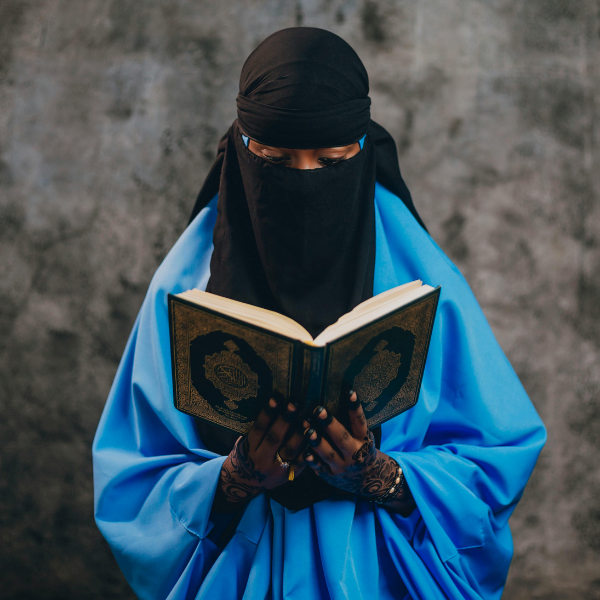
a woman wearing a black niqab while reading the Quran

The niqab is a piece of clothing that covers the face except for the eyes. However, unlike the other coverings, it cannot be worn on its own: it is worn over a hijab. It is very often black in colour but can be grey, brown or lighter shades. Just like the hijab, there are different types of niqab:

Sittar

Same principle as the niqab, except that it also covers the eyes with a light veil that allows the wearer to see without her eyes being seen.

Half Niqab

It will cover the lower half of the face (from the nose down).

Burka vs Hijab: What are the Differences?

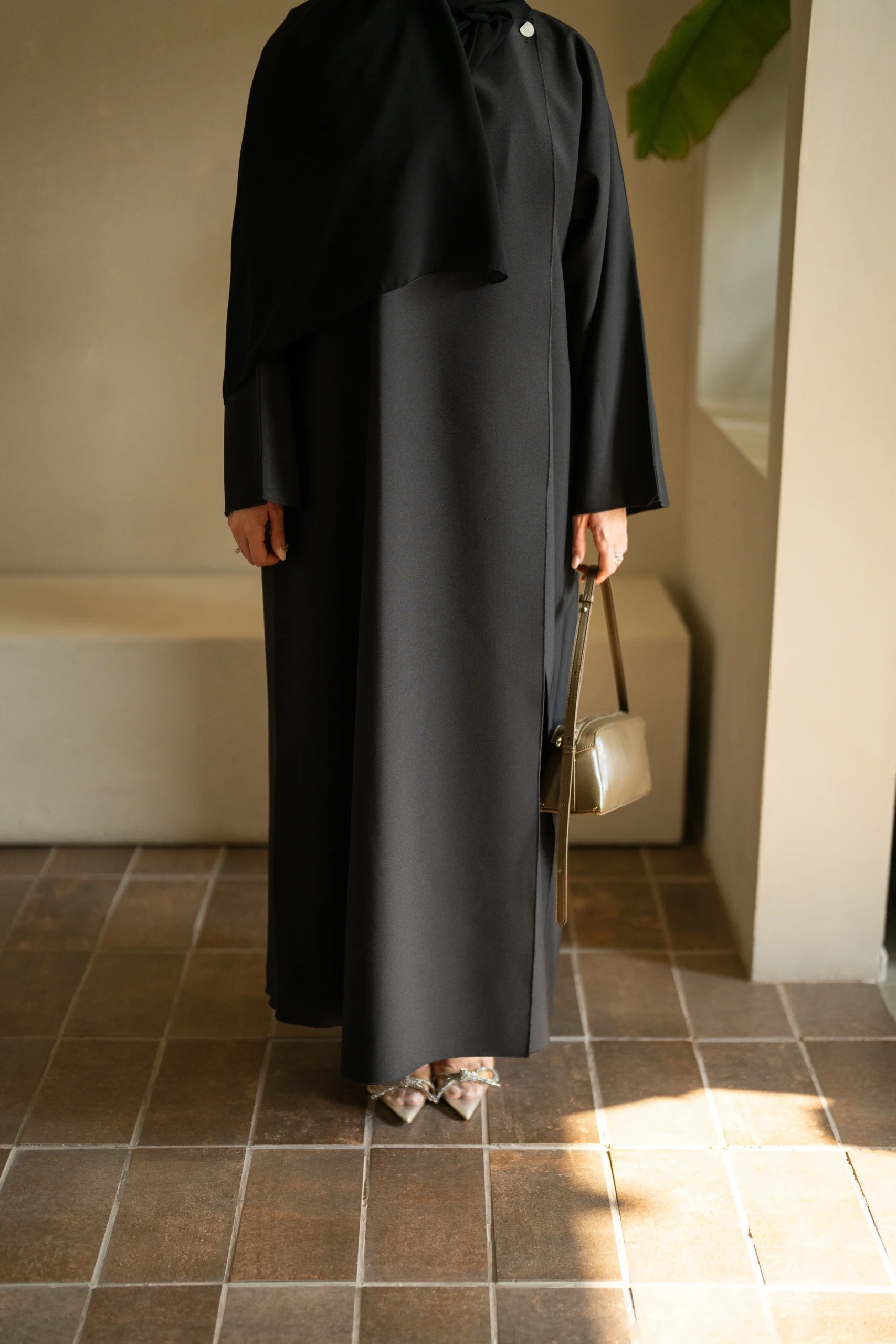
Well, the difference lies mainly in how much they cover! While the burqa can be worn on its own because it covers the entire body, the hijab must be worn with an abaya. But one subtle difference is that the hijab offers more styling options. Since the burka is a one-piece piece of clothing and often only available in black and blue, it is difficult to personalise your outfit. This may suit some women who want an outfit that is easy to put on. As for the hijab, it is not only available in a multitude of colours, but also in a variety of materials (Medina silk, cotton, silk, etc.) and styles. What’s more, it can be worn with a modest abaya (which also comes in many different styles).

Hijab + Abaya Outfits Ideas

Best Hijab Fabrics

Fabric is one of the most overlooked aspects of modest wear, yet it has the biggest impact on comfort, breathability, and confidence. Two hijabs can offer the same coverage but feel completely different depending on the material. Let’s see whic are the best hijab’s fabrics:

Cotton Hijab

Highly breathable, natural, and gentle on the scalp. Cotton hijabs absorb moisture well, making them ideal for warm weather, daily wear, and long hours. They provide good grip, stay in place easily, and are suitable for those who prefer a natural, matte finish. Slightly less fluid in drape than chiffon, but extremely practical and comfortable.

Modal

Soft, breathable, and gentle on the scalp. Ideal for long wear, sensitive skin, and everyday use. Drapes well without feeling heavy.

Jersey

Stretchy and comfortable with good coverage. Easy to style, beginner-friendly, and stays in place without pins. Slightly warmer, making it better for cooler days.

Chiffon

Lightweight and elegant with a flowing drape. Best for formal occasions or layered looks. Usually requires an underscarf for comfort and grip.

Crepe

Slightly textured, breathable, and less slippery than chiffon. A good balance between everyday practicality and polished style.

Why Are Some Muslim Women Wearing Niqab and Some Don't Wear it?

This is a question that many people ask themselves, and in fact there is no single answer. So here are the reasons why some women wear the niqab and others do not:

  1. A question of conviction: Some Muslim women who wear the niqab consider it a religious obligation to cover their faces. They base their arguments on religious writings/accounts.

  2. Cultural normality: For some, however, they wear the niqab because it is a cultural norm and not necessarily out of religious conviction.

  3. The niqab is not part of Islamic clothing: For some Muslim women, the niqab is nothing more than a cultural garment and has nothing to do with Islam.

  4. Non-compulsory attire: Some recognise that the niqab is part of modest Islamic clothing for women, but they choose not to wear it for various reasons of their own (e.g. not wanting to hide their face, difficulty breathing under the niqab, etc.).

  5. Prohibition: Others would like to wear it, but the niqab is banned in public places in their country of residence (e.g. France).

Burka vs Hijab Conclusion

We have seen that the major difference between the burqa, the hijab and niqab lies in what they cover. In any case, their goal remains the same: to offer Muslim women the opportunity to dress modestly in accordance with the precepts of their religion. It should be noted, however, that every woman, whether she chooses to wear the hijab(or not), niqab or burqa, deserves to be respected and treated like any other human being. Furthermore, as the saying goes, ‘you can’t judge a book by its cover’; a woman wearing a niqab or burqa is not necessarily better or more religiously perfect than a woman wearing a hijab, and vice versa. We hope you found this blog post useful!

Burka vs Hijab vs Niqab – FAQs

What is the main difference between a hijab, niqab, and burka?

The main difference is the level of coverage. A hijab covers the hair and neck, the niqab covers the face except for the eyes and is worn with a hijab, and the burka covers the entire body and face, including the eyes (with a mesh panel).

No. A hijab is a headscarf only and does not cover the face or body. A burka is a full outer garment that covers the body from head to toe, including the face.

No. A niqab is worn over a hijab. The hijab covers the hair and head, while the niqab covers the face.

There is no single scholarly consensus. Some Muslim women believe it is obligatory, others see it as recommended, and many view it as cultural rather than religious. Wearing the niqab is a personal choice influenced by belief, culture, and circumstances.

A hijab typically covers the hair and neck, while a khimar is longer and also covers the shoulders and chest.

No. The burka is mainly associated with Afghanistan and certain regions. It is not commonly worn in most Muslim-majority countries.

Yes. Hijabs are available in a wide range of fabrics such as cotton, modal, chiffon, jersey, and crepe, and can be styled in many different ways.

No. Each term refers to a specific garment. Using them correctly shows cultural understanding and respect.

Share the Post:

Related Posts

Select your currency
GBP Pound sterling
EUR Euro